Nov 21, 2025 • News
3 Unique Animals: Orangutan, Komodo, and the One-Horned Rhino
3 Unique Animals: Orangutan, Komodo, and the One-Horned Rhino
Indonesia is one of the world’s richest biodiversity hotspots, home to thousands of species found nowhere else on Earth. Among its many natural wonders, three animals stand out not only because of their uniqueness, but also because of their ecological importance and the urgent need to protect them. These species—the Orangutan, the Komodo Dragon, and the One-Horned Rhino—represent Indonesia’s natural heritage and the global effort to conserve endangered wildlife.
1. Orangutan – The Gentle “Forest People” of Borneo and Sumatra
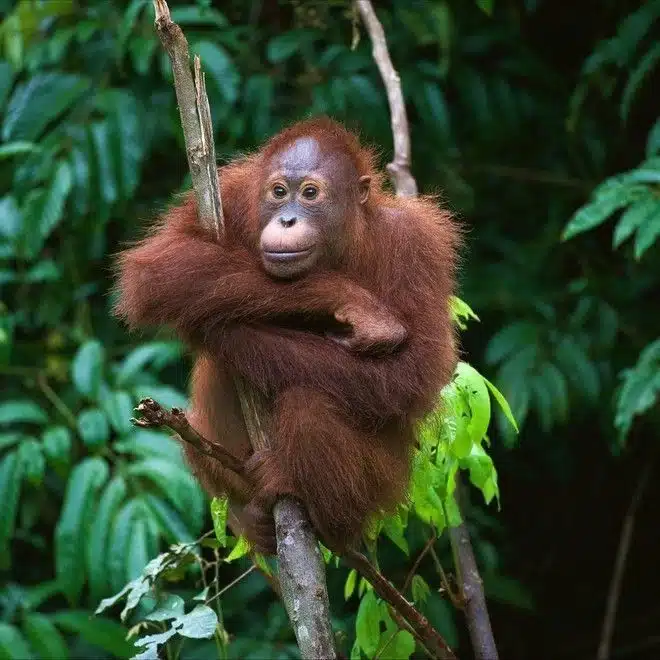
The orangutan is one of the most iconic animals in Southeast Asia. The name comes from the Indonesian and Malay words orang (human) and hutan (forest), meaning “person of the forest.”
This name perfectly reflects the orangutan’s intelligence, emotional depth, and close genetic relationship to humans.
Appearance and Behavior
Orangutans are easily recognized by their shaggy reddish-brown fur, long arms, and expressive eyes. They are the most solitary of all great apes, spending most of their lives in the treetops. Every evening, they build fresh nests made of branches and leaves, showing their impressive problem-solving abilities.
They are also known for their ability to use tools, such as sticks to extract insects or leaves as umbrellas during rain—clear evidence of their advanced cognition.
Habitat and Threats
There are two species in Indonesia: the Bornean orangutan and the Sumatran orangutan. Both are classified as critically endangered.
Their biggest threats include:
Deforestation for palm oil plantations
Illegal hunting and wildlife trafficking
Forest fires and habitat fragmentation
Many conservation groups, including rehabilitation centers in Kalimantan and Sumatra, work tirelessly to rescue, rehabilitate, and release orangutans back into the wild.
2. Komodo Dragon – The Last Living Dinosaur
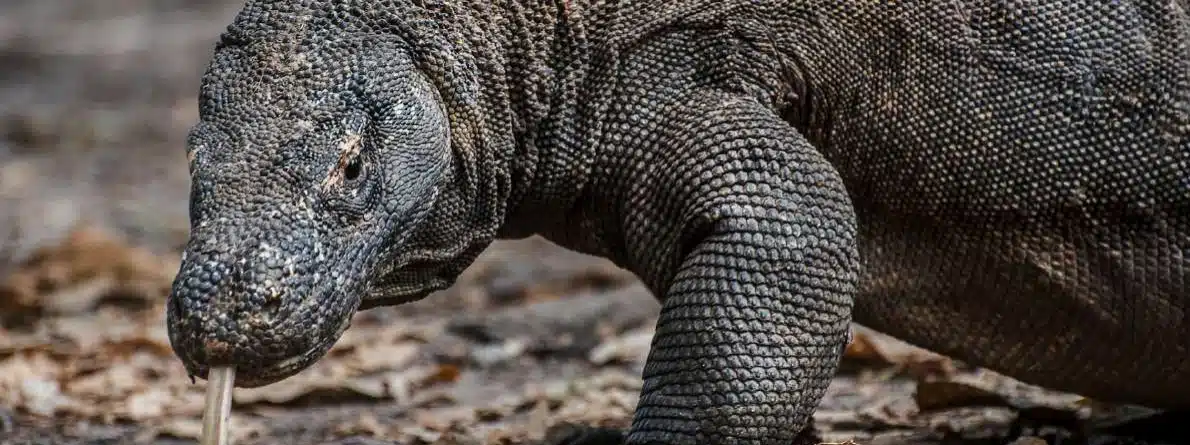
The Komodo dragon is often described as a creature straight out of prehistoric times. As the world’s largest living lizard, it can reach lengths of up to 3 meters and weigh more than 70 kilograms.
Unique Traits and Hunting Style
Komodo dragons are apex predators. They hunt deer, wild boar, birds, and even water buffalo using a combination of strength, patience, and stealth. Their bite contains dangerous bacteria and mild venom that weaken their prey.
Despite their fearsome reputation, Komodo dragons are not naturally aggressive toward humans unless threatened. Observing them in their natural habitat is one of Indonesia’s most remarkable wildlife experiences.
Where They Live
Wild Komodo dragons can only be found in Komodo National Park, which includes the islands of Komodo, Rinca, Padar, and a few smaller surrounding islands.
This limited distribution makes them highly vulnerable to threats such as:
Habitat loss
Human disturbance
Climate change
Declining prey availability
The Indonesian government and park authorities strictly regulate tourism and protect the dragons and their environment.
3. The One-Horned Rhino – A Rare Treasure of Ujung Kulon

The Javan one-horned rhino, also called the Javan rhinoceros, is one of the rarest mammals on Earth. With fewer than 80 individuals remaining, they are classified as critically endangered.
Characteristics
Unlike the African rhino species with two horns, the Javan rhino has a single, smaller horn and thick, textured skin that gives it an armor-like appearance. They are known for being extremely shy and elusive, which makes them difficult to observe in the wild.
A Species on the Brink
These rhinos once roamed across Southeast Asia, but today they survive only in Ujung Kulon National Park at the western tip of Java. Their survival is threatened by:
Poaching, mainly for their horn
Natural disasters, such as tsunamis and volcanic eruptions
Limited genetic diversity
Habitat competition with invasive plants
Thanks to strict protection, the population has slowly stabilized, but the species remains at high risk due to its extremely small numbers.